

Accommodations for transgender persons in the workplace is not necessarily a new topic of discussion, however it is one that persists as a controversial issue. Indeed, in February of 2024, Conservative Party leader Pierre Poilievre reportedly stated that people born as biological males should be banned from women’s sports, change rooms, and bathrooms. The Canadian Human Rights Tribunal, in Bilac v. Abbey, 2023 CHRT 43 stated that, like any other group of people, transgender persons “are entitled to recognition of, and respect for, their gender identity and expression. This begins with using their names and pronouns correctly; it is a basic obligation that every person holds towards people in their employment.”
Many trans persons continue to face difficulties with pronouns and other basic rights in the workplace but one of the most recent topics of debates is particular to transgender women and their right in using women’s restrooms in their workplace.
Human Rights for Gender Expression, Gender Identity, Sexuality, and Sex
Under federal and provincial human rights law, trans persons are a protected group in the form of gender, sex, gender identity and expression, and sexuality. All employees have the right to be free from discrimination and harassment in their workplace, and a right to equal treatment.
In Nelson v. Goodberry Restaurant Group Ltd., 2021 BCHRT 137, the intention of using incorrect pronouns was argued to simply be a life-long habit of conforming to a binary system. While this may be the case in some situations, the Human Rights Tribunal held that to allow this excuse is at the expense of a protected group of people. Discrimination does not need to be intentional.
In a policy statement from the Ontario Human Rights Commission, they directly address the issues that arise from gendered washrooms, in addition to changerooms and other facilities which separate men and women. The statement expressly states that trans persons should not be required to use separate washrooms and changerooms when others express discomfort or transphobic attitudes.
For example, Vanderputten v. Seydaco Packaging Corp., 2012 HRTO 1977 is an Ontario case where a transgender woman was prohibited by the employer from using the women’s employee change room and was subjected to harassment in being forced to change in the men’s change room. Vanderputten established that the actions of the employer amounted to discrimination on the basis of sex.
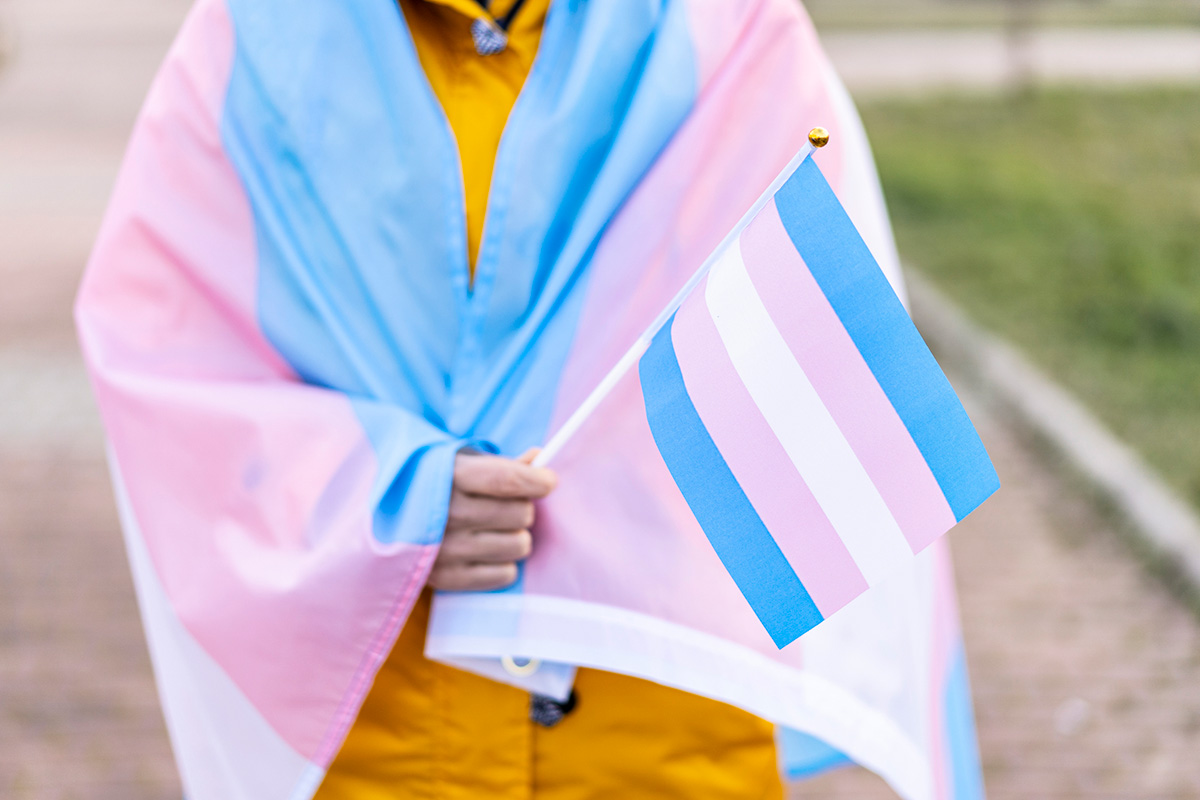
A common statement made in attempting to dispel trans persons from these facilities argues “trans women are a threat to [cisgender] women”. Trans persons themselves risk harassment and violence in using these facilities.
Cases specifically relating to this issue in employment scenarios are largely outdated in their analysis and reasoning but ultimately concluded that trans persons must be accommodated.
Ferris v. Office and Technical Employees Union, Local 15, [1999] B.C.H.R.T.D. No. 55 and Sheridan v. Sanctuary Investments Ltd. (No. 3), 1999 CanLII 35172 (BC HRT) both address the difficulties had by a transgender person trying to use the washroom which aligns with their gender identity. In Ferris, the dispute took place in the workplace and in Sheridan, the Complainant was a patron at a nightclub.
The outdated analysis used by these cases is based on the understanding of transgenderism being a mental illness/disability called Gender Identity Disorder or Gender Dysmorphia. Despite an outdated analysis of transgender, transsexual, and transitioning persons, they ultimately reached the conclusion that in denying trans persons the right to use the washroom that most aligned with their gender identity is unlawful discrimination.
The principles of Vanderputten and other previous cases, and well as interpretation of human rights law confirm that trans persons possess not just the right to be accommodated, but that employers owe a legal obligation to permit them to use the washroom which represents their identity. This is further reinforced under the policy statement of the Human Rights Commission.

The Debate and Legal Rights
The prevailing arguments against transwomen using the women’s washroom is based on concerns about making cisgender women feel uncomfortable or at risk of harassment. The intention of this argument is to protect women. However, there is no empirical link indicating that accommodations would pose a threat to the health and safety of cisgender women.
In fact, studies indicate that trans and LGBTQ+ people are more likely to experience harassment, discrimination, and violence in the workplace than cisgender women. The subjective fears of trans women harassing or putting at risk cis women in gender-separated facilities arises from an outdated perspective that categorizes trans women as biological men.
Subjective fears are not sufficient to lawfully prevent a trans person from using the washroom or other similar facility they are most comfortable in.
The impact of not allowing trans women to use the women’s washroom is to propagate discrimination in the workplace. Especially for trans, non-binary, or other non-cisgender people, using the correct pronouns or using the washroom that most closely matches their identity validates and affirms they are a person equally deserving of respect and dignity (Bilac v Abbey).

Contact Us
If you are struggling with discrimination in your workplace, contact our team to discuss your rights and entitlements.
Resources
If you or someone you know is struggling with identity or discrimination because of their identity, this has a monumental impact on mental health. If you are in crisis, call 9-1-1. The following resources are available and intended for members of the LGBTQ+ community:
Trans Lifeline
Call: (877) 330-6366
Or visit the website: https://translifeline.org/
Crisis Services Canada
Call: 1-833-456-4566
Or visit the website: https://988.ca/
The 519
Call: 416-392-6874
Or visit the website: https://www.the519.org/
Or visit https://itgetsbettercanada.org/ for more resources.
Disclaimer: The materials above are for general information purposes only. This is not legal advice. This is not specific to any one company. This does not suggest any improper conduct on the part of a specific employer.
Authors: Jonquille Pak and Ava Clarke
Date: August 21, 2024
